How to build a power bowl
Grain, protein, color, sauce. The easy, endlessly flexible lunch, plus six combinations worth repeating.
My idea of a perfect lunch is one that’s easy to throw together and actually keeps me going until dinner. Power bowls do both. They’re the meal I make when the morning ran long and the afternoon is already spoken for.
There are endless ways to build one, so here’s everything in one place: the formula, my favorite ingredients, and a few combinations I come back to again and again.
What makes it a power bowl
The formula is simple:
- A base of grains or greens. I usually reach for rice, but quinoa, farro, or a big pile of greens all work.
- A protein, plant or animal: beans, lentils, tofu, tempeh, eggs, chicken, or fish.
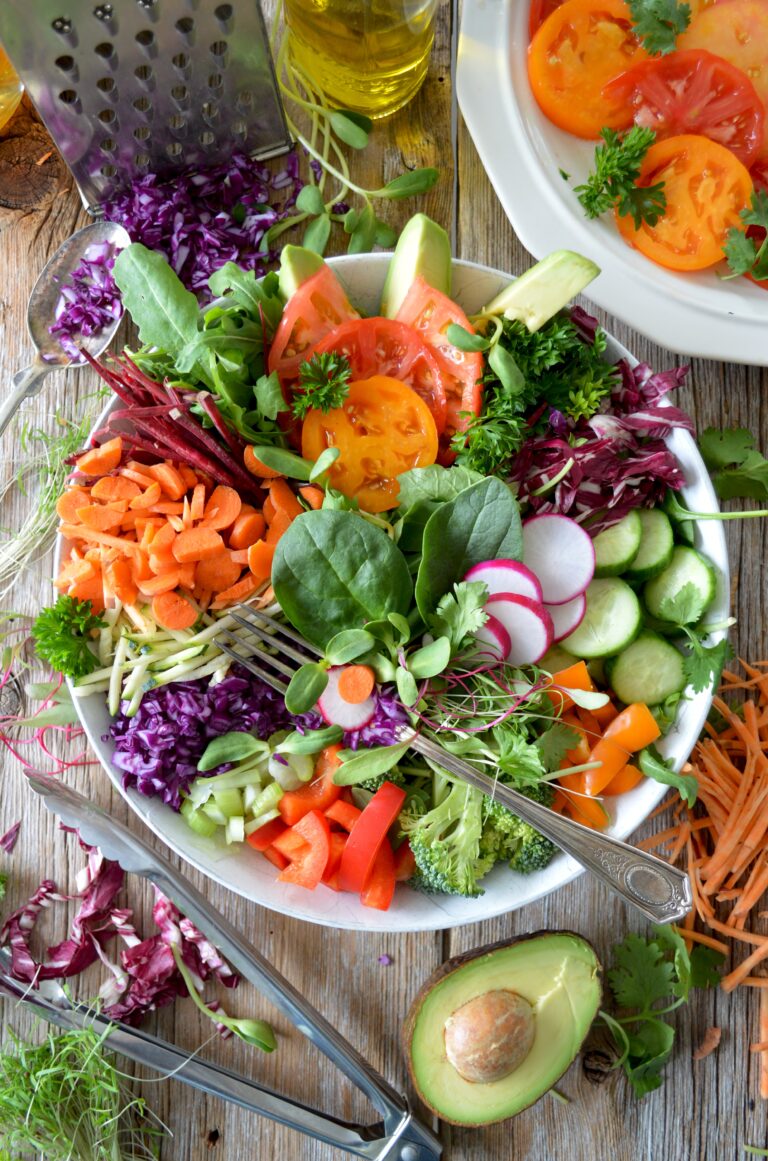
- Plenty of color. Vegetables raw, roasted, pickled, or fermented.
- A sauce that ties it together, like tahini, peanut, or a bright herby dressing.
The magic is in contrast: warm and cool, crisp and creamy, tangy and rich.
Grains
- Rice
- Quinoa
- Farro
- Barley
- Buckwheat
- Millet
- Couscous
Greens
If greens are your base, be generous with toppings so the bowl actually fills you up.
- Kale
- Spinach
- Swiss chard
- Romaine
- Arugula
- Lamb’s quarters or chickweed, if you forage
Proteins
- Salmon
- Chicken
- Shrimp
- Soft- or hard-boiled eggs
- Tofu
- Tempeh
- Beans, lentils, and chickpeas
Vegetables
Mix raw, cooked, and pickled for the most interesting bowl. Leftover roasted vegetables are ideal.
- Carrots
- Cucumber
- Radishes
- Tomatoes
- Peppers
- Avocado
- Sprouts and microgreens
- Quick-pickled onions
Sauces
- Lemon-tahini
- Miso-ginger
- Peanut-lime
- Chimichurri
- Balsamic and olive oil
- A squeeze of lemon and good salt
- Sriracha, for heat
A few tips
There are no rules. Use what’s in the fridge and what sounds good. Aim for a little contrast in every bite.
To prep ahead, cook a pot of grains, roast a sheet pan of vegetables, make a jar of sauce, and keep everything in separate containers. Assembly takes two minutes, and the greens stay crisp until you dress them.
Power bowl FAQ
Are power bowls vegan? They can be. Use tofu, tempeh, or legumes as your protein and a plant-based sauce.
Are they gluten-free? They can be. Choose rice, quinoa, buckwheat, or millet as your base, and skip couscous, farro, and barley, which contain gluten. Check soy sauce and miso labels, too.
Is a power bowl healthy? It’s an easy way to get fiber, protein, healthy fats, and a range of vegetables in one meal. Like any meal, it depends on what goes into it.
Why are they so popular? They’re filling, flexible, and great for using up leftovers.
Six combinations worth repeating
- Rice, salmon, pickled vegetables, and lemon-tahini
- Quinoa, chicken, roasted vegetables, and chimichurri
- Couscous, tofu, crunchy raw vegetables, and peanut-lime
- Barley, shrimp, sautéed greens, and balsamic
- Buckwheat, black beans, sprouts, and miso-ginger
- Kale, tempeh, avocado, and a drizzle of sriracha
What’s your go-to combination? Share it in the comments.