The 10 pantry staples for low-glycemic cooking
A well-stocked kitchen is half the work. Here’s what to keep on hand when you’re cooking for steadier blood sugar.
The glycemic index (GI) ranks carbohydrate foods by how quickly they raise blood sugar. High-GI foods are absorbed fast and spike it. Low-GI foods are absorbed slowly, so the rise is gentler and the energy lasts longer.
How the glycemic index works
Every carbohydrate food gets a number. The higher it is, the bigger the effect on blood sugar. A GI of 70 or above counts as high; 55 or below counts as low. White bread, white rice, pastries, and sugary cereals sit at the high end. Oats, barley, beans, lentils, and most fruits and vegetables sit at the low end.
It’s a useful lens, not a perfect one. GI doesn’t account for portion size, how a food is cooked, or what you eat alongside it, and published numbers vary from study to study. Treat the figures below as approximate. If you’re managing diabetes or prediabetes, your doctor or a registered dietitian can help you tailor all of this to you.
With these ten staples in the pantry, freezer, and fridge, a steady-energy dinner is always within reach.
1. Brown rice
A pantry workhorse. Brown rice keeps its bran, which slows digestion and lands it in the moderate range, around 50 to 68 depending on the variety. Swap it in anywhere you’d use white rice.
2. Legumes
Beans, lentils, chickpeas, and peas are full of fiber and protein and sit comfortably on the low end of the index. Stir them into soups and stews, toss them over a salad, or fold them into a pot of rice for a meal that actually holds you.
3. Oats
Oats bring soluble fiber and a GI in the mid-50s. The less processed, the better: steel-cut oats digest more slowly than rolled oats, and both beat instant. Cook them for breakfast or work them into muffins and crisps.
4. Sweet potatoes
Despite the name, boiled sweet potatoes have a lower GI than russets, reds, or Yukon Golds. Cooking method matters a lot here: boiling or steaming keeps the number lower, while long roasting raises it. Serve them as a side or swap them in for white potatoes.
5. Plain Greek yogurt
Straining gives Greek yogurt more protein and less lactose than regular yogurt, with a very low GI. Choose plain over flavored, which is often loaded with sugar. Top it with berries, blend it into a smoothie, or use it as the base for dips and sauces.
6. Quinoa
Quinoa sits in the low 50s and brings more protein than most grains, so a bowl of it keeps you satisfied for hours. Use it as a side, a salad base, or a stand-in for rice.
7. Whole grain pasta
Made with whole wheat flour, it digests more slowly than pasta made with refined flour. Most shapes come in a whole grain version now, from spaghetti to penne. Cooking it al dente lowers the GI a little more.
8. Dark leafy greens
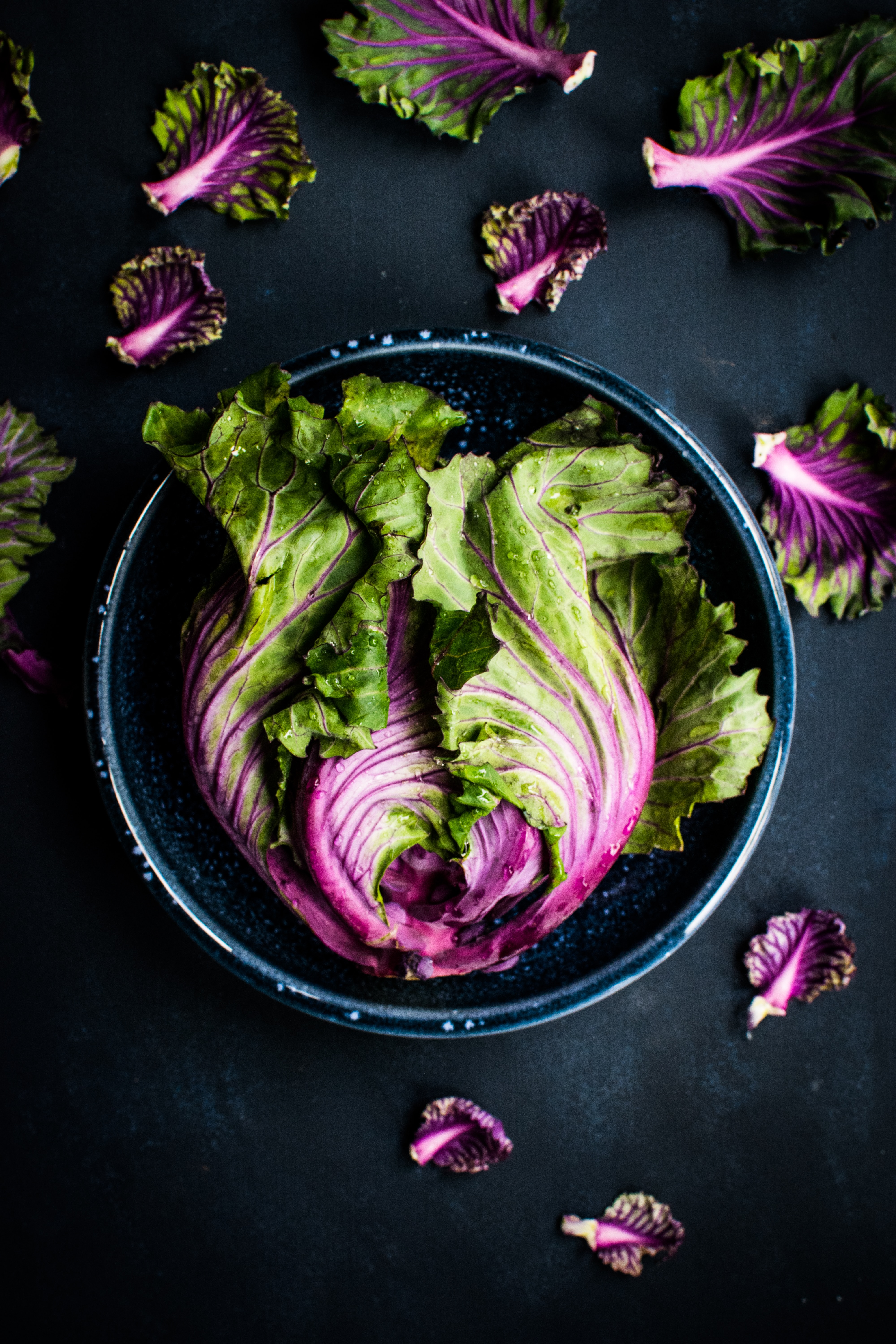
Spinach, kale, chard, and collards barely register on the index and are loaded with vitamins and minerals. Sauté them with garlic, wilt them into soup or pasta, or tuck a handful into a smoothie.
9. Frozen vegetables
Frozen vegetables are picked and frozen at peak ripeness, so they hold their nutrients well, and they’re often cheaper than fresh. Keep broccoli, peas, and green beans in the freezer for nights when there’s nothing in the crisper. Roast, steam, or drop them straight into a soup.
10. Tomatoes
Tomatoes have a GI around 15 and go nearly everywhere. Making your own sauce from canned or fresh tomatoes lets you skip the added sugar in many jarred versions.
The takeaway
Cooking for steady blood sugar doesn’t have to mean bland food. Stock these ten, and a nourishing, flavorful meal is never more than a few steps away.
What’s always in your pantry? Tell us in the comments.
Photo by Nadine Primeau on Unsplash